 Substack
Southeast Asia’s data center operators are sitting on an undervalued energy asset
UPS batteries sit idle 99% of the time. That model was defensible when grids were stable and energy was cheap. It isn't anymore. We examine how capacity drift, regulatory pressure and rising tariffs have turned passive UPS management into an audit liability, and why the same batteries can offset a meaningful share of total energy costs.
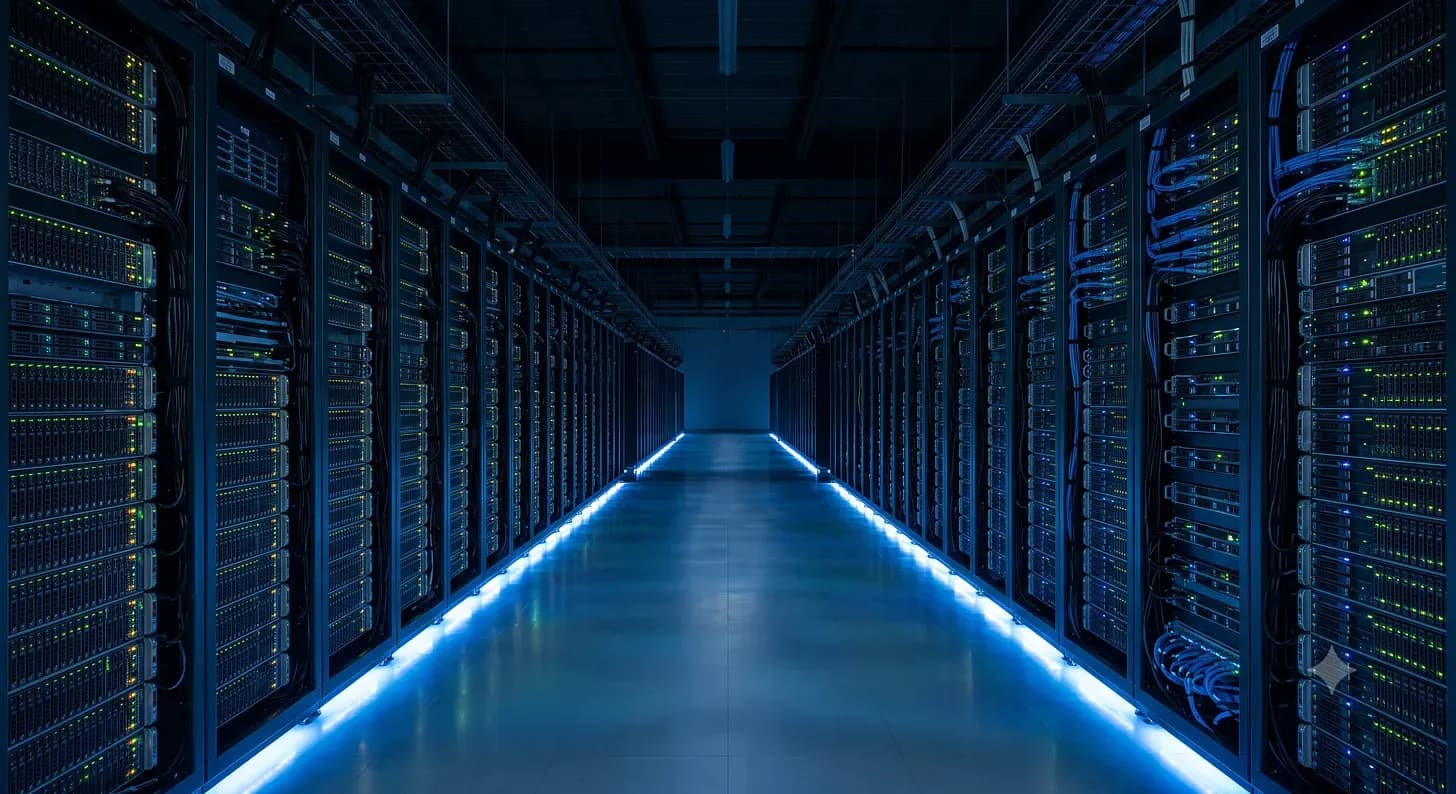
Most data center operators across Southeast Asia treat their UPS systems as infrastructure of last resort. The battery bridges the gap between a grid failure and a generator coming online, usually in a matter of minutes, then returns to standby and is forgotten until the next maintenance cycle. That model was defensible when grids were stable, energy was cheap, and compliance obligations were light. None of those conditions hold anymore.
Three forces have converged. Energy costs are rising, with Singapore's on-grid tariff at US$178/MWh and Wood Mackenzie projecting a fourfold increase across the region by 2035. Regulation has tightened, with Singapore's critical infrastructure designation now requiring mandatory resilience assessments and auditable proof of backup readiness. Capacity drift has quietly eroded the value of installed UPS systems, as AI workloads push rack densities beyond what most facilities anticipated at commissioning. It leaves operators without visibility into their actual available backup time.
The same batteries, actively managed, can reduce peak charges, capture tariff arbitrage and earn revenue through market participation. For a large facility, that can offset a meaningful share of total energy costs. But none of it works without real-time visibility into battery state and available capacity.
The question is no longer whether your UPS can handle a grid failure. It is whether you can prove it and whether you are capturing the value sitting inside it.
If your team needs to run an assessment on capacity growth or energy cost exposure for your sites, let's have a chat.